Peptide Pureness Overview 98%, 99% & Research-grade Described Prg
Peptide Testing: Hplc & Mass Spec Purity Overview Apex
An example could produce a clean-looking chromatogram with one dominant top and still be the incorrect compound if identity was never verified. HPLC procedures splitting up and loved one peak location; mass spectrometry steps mass-to-charge actions that can be made use of to confirm molecular identification. Peptide purity testing is the procedure of verifying that a peptide sample consists of only the desired series-- and no considerable contaminants or byproducts from synthesis. Due to the fact that peptides are created via intricate chemical processes, trace impurities can create normally. Checking allows scientists to recognize exactly what remains in the vial, confirming both identity and top quality. Choosing a trustworthy third-party laboratory is essential to getting trusted peptide recognition outcomes.
Mass Verification
- The launch process of peptide formulations is complex, and an absence of scientific information hinders advancement.
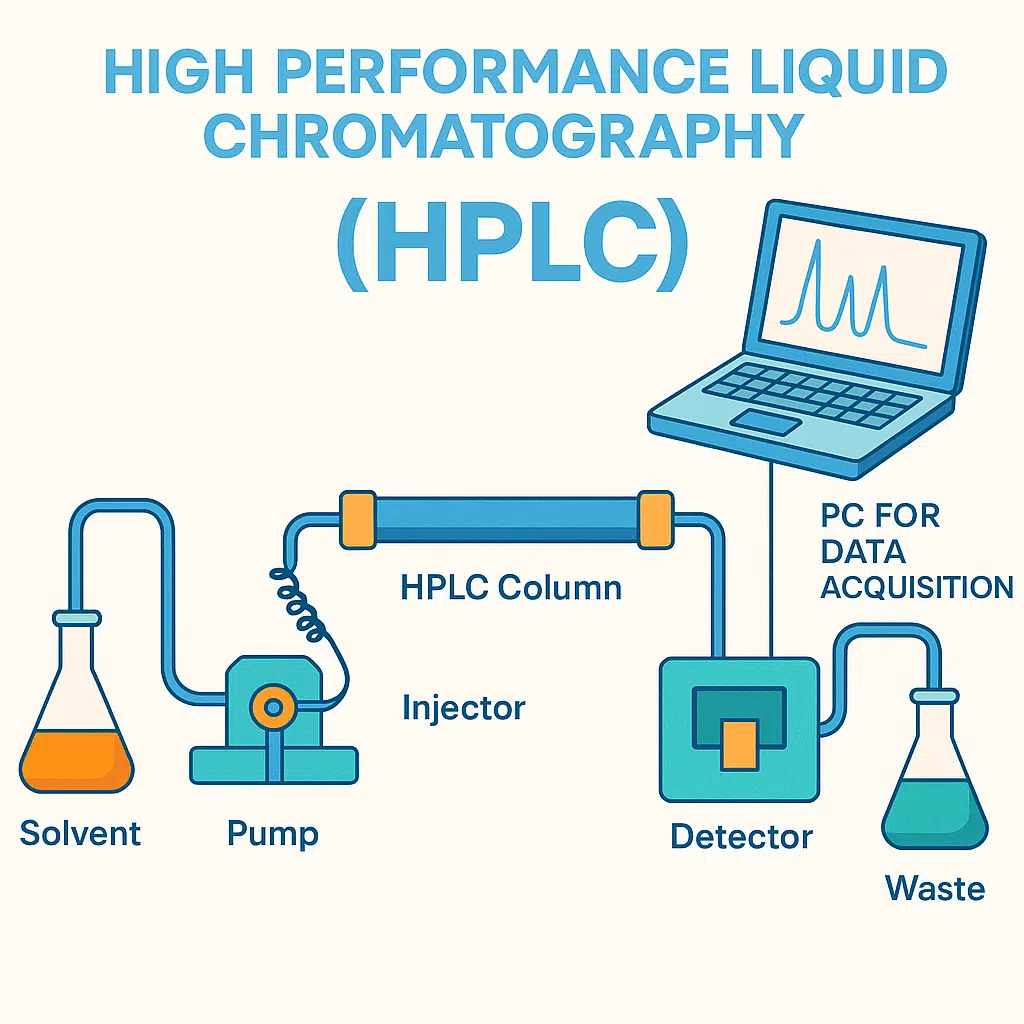
- During the detection, we make use of RP-HPLC combined with MS to establish the molecular weight of the peptide.
- The gold criterion for determining peptide pureness is high-performance liquid chromatography, universally abbreviated as HPLC.
- Selecting the right exterior laboratory for peptide testing involves evaluating several variables.
- Desalted peptides function well for ELISA covering, some cell-based assays, and applications where moderate purity serves.
BOC Sciences supplies multi-batch contrast analysis to aid clients establish raw material high quality requirements and make certain uniformity. Recurring non-peptide components can alter assay analysis, misshape peptide material estimations, and complicate whole lot qualification. We support targeted analysis of appropriate residuals based upon the job and example history.
Added Logical Examinations On Quality Coas
Discover our brochure to view verified study substances and find out more regarding our screening and quality control procedure. Also minor impurities can alter outcomes, minimize reproducibility, or present unwanted variables right into a study. Scientists depend on accurate, confirmed substances to guarantee their findings are both valid and regular.
Why Should Researchers Require Third-party Validation?
Not every application demands 99% pureness, and filtration is a substantial element of peptide manufacturing cost. Trace quantities of solvents used throughout synthesis and purification-- acetonitrile, dimethylformamide (DMF), dichloromethane-- can remain in the end product. These are commonly present at really low levels in appropriately made peptides and are controlled by ICH Q3C guidelines for acceptable limitations. If the target peptide's peak represent 99.1% of the complete top location, the peptide is reported as 99.1% pure by HPLC. Many respectable research study peptide distributors use third-party laboratories; some conduct in-house testing with magazine of research laboratory credentials.
They are identified "for research usage just" to make clear that they are meant for in vitro experiments or animal researches, except any type of kind of human usage. As a matter of fact, a lab offering peptide screening must deliver data fulfilling the stringent analytical assumptions of agencies like FDA and EMA [4] By utilizing a qualified third-party lab, peptide suppliers or scientists make sure an honest and expertly recorded evaluation of high quality, which is precisely what examiners try to find. In addition, recurring independent screening supports conformity in set release and quality control. Laboratory validation for peptides indicates using scientific examinations to validate a peptide's identity, purity, and make-up. In practice, this often entails third-party or independent screening by an exterior lab to validate that a peptide item really includes what the label declares [2] BOC Sciences, with its durable logical system and specialist team, concentrates on quality screening solutions for peptide resources, peptide microspheres, peptide nanoparticles, and peptide solution prep work. Ipamorelin We work with biotech, pharmaceutical, CRO, CDMO, and scholastic teams on peptide chemical and physical analyses that Purity Verification support research study and non-clinical decision making. Contact us today to review your peptide series, example condition, and logical objectives.